CBAM Reporting
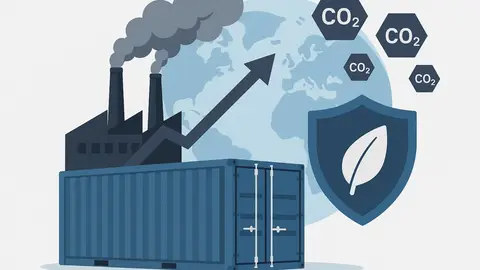
Stay compliant with CBAM reporting: understand requirements, streamline data collection, and ensure accurate carbon border declarations
LEED UAE · ERKE Sustainability Consultancy
LEED consultancy, energy modelling and sustainability guidance for building projects in the United Arab Emirates, from ERKE's green building team.
Contact us WhatsApp +90 216 369 7393
Services
LEED consultancy and the certification topics we support for projects in the UAE.
Credit strategy, team coordination and documentation for LEED projects across the UAE.
Whole-building energy simulation to optimise the design and document LEED energy performance credits.
How LEED compares with the UAE's local rating systems, and how to plan a project that meets both.
Registration, design and construction submittals and the certification review, step by step.
Waste management planning that supports TRUE Zero Waste certification and LEED credits together.
Embedded-emissions data collection and reporting for exporters under the EU Carbon Border Adjustment Mechanism.
Process
One team from the first scorecard to the certificate, so nothing is left to the last month of construction.
We review the project, confirm the right rating system and set a target level with a credit-by-credit scorecard.
Energy modelling, simulations and design reviews build the credits into the drawings instead of adding them later.
We coordinate the project team, follow site practices and prepare every submittal for the certification body.
We answer the review comments and stay with the project until the certificate is awarded.
About ERKE
Since 2007, ERKE has completed 250+ projects in 15+ countries, including 25 LEED Platinum certifications.
We offer LEED Consultancy services to mark your buildings Green and applicable in the Green Buildings. With 250+ green building projects behind us, we understand all details on what Green Building Systems requires. We are here to make your buildings integrated with sustainable practices. LEED is a certification system that shows the environmental commitment of a Building.
LEED: Building a Greener Future
LEED certification plays a crucial role in promoting sustainable development by setting benchmarks for environmental performance in the construction industry. This certification encourages the use of eco-friendly materials, energy-efficient systems, and sustainable practices that reduce environmental impact. By adopting green building standards, the United Arab Emirates aligns with its sustainability goals, including the UAE Net Zero by 2050 initiative, fostering a culture of sustainability and innovation in its built environment, and paving the way for a greener future.
FAQ
The LEED (Leadership in Energy and Environmental Design) certificate is a globally recognized green building certification system. Developed by the U.S. Green Building Council (USGBC), LEED provides a framework for healthy, efficient, and sustainable building design, construction, operation, and maintenance. Projects earn points across several categories, including energy efficiency, water usage, air quality, and materials selection. The certification levels—Certified, Silver, Gold, and Platinum—reflect the total points achieved, encouraging higher performance standards in environmental responsibility and resource efficiency within the built environment.
Leadership in Energy and Environmental Design (LEED) is a globally recognized green building certification program that sets benchmarks for the design, construction, operation, and maintenance of environmentally responsible buildings. Developed by the U.S. Green Building Council (USGBC), LEED certification is widely regarded as a mark of excellence in sustainable building practices. The importance of LEED certification extends beyond the environmental benefits, impacting economic, social, and health aspects of communities.
The different levels of LEED certification are Certified, Silver, Gold, and Platinum. These levels are achieved by earning points across various categories such as Sustainable Sites, Water Efficiency, Energy and Atmosphere, Materials and Resources, and Indoor Environmental Quality. Projects earn points based on the extent to which they meet LEED criteria for sustainability and efficiency. The more points a project earns, the higher the level of certification. Certified is the entry-level, followed by Silver, Gold, and the highest level, Platinum, which requires the most points.
LEED certification benefits building owners and occupants by enhancing property value and reducing operational costs through energy and water efficiency. It promotes a healthier indoor environment with improved air quality and natural lighting, boosting occupant productivity and satisfaction. LEED-certified buildings often attract higher-quality tenants and can qualify for tax incentives and rebates. Additionally, the certification demonstrates a commitment to sustainability, enhancing the building's marketability and helping owners meet regulatory requirements and corporate sustainability goals. Overall, LEED certification supports long-term financial and environmental benefits.
LEED addresses water efficiency by incorporating strategies to reduce water consumption and promote sustainable water management. This includes implementing low-flow fixtures, water-efficient landscaping, and advanced irrigation systems. LEED certification encourages the use of water-saving technologies and practices to minimize potable water use and improve overall water efficiency. It also promotes the use of alternative water sources, such as rainwater harvesting and greywater recycling. By adopting these measures, LEED-certified buildings can significantly reduce their water footprint, leading to cost savings and a smaller environmental impact.
The most common challenges in achieving LEED certification include meeting stringent energy efficiency and sustainability requirements, which can be costly and complex. Project teams often face difficulties in gathering and managing the extensive documentation required for certification. Integrating sustainable practices into existing building structures can be challenging, particularly in older buildings. Coordination among various stakeholders and addressing unexpected issues during construction or renovation can also pose obstacles. Additionally, maintaining compliance with LEED standards throughout the project lifecycle demands continuous effort and commitment.
Blog
Stay compliant with CBAM reporting: understand requirements, streamline data collection, and ensure accurate carbon border declarations
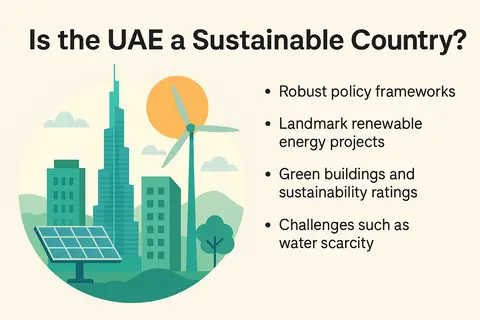
Is the UAE truly sustainable? Explore its progress, challenges, and how LEED Consultancy UAE supports the journey.
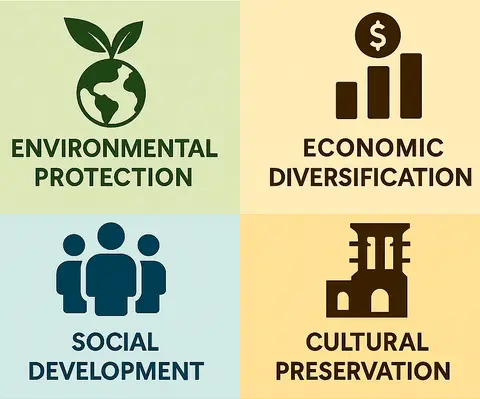
Explore the four pillars of UAE sustainability and how LEED Consultancy UAE supports green, inclusive growth.
References
A selection of the developers, manufacturers and institutions behind ERKE's projects.











Reach us on WhatsApp for the fastest response, call +90 216 369 7393 or send us a message.